

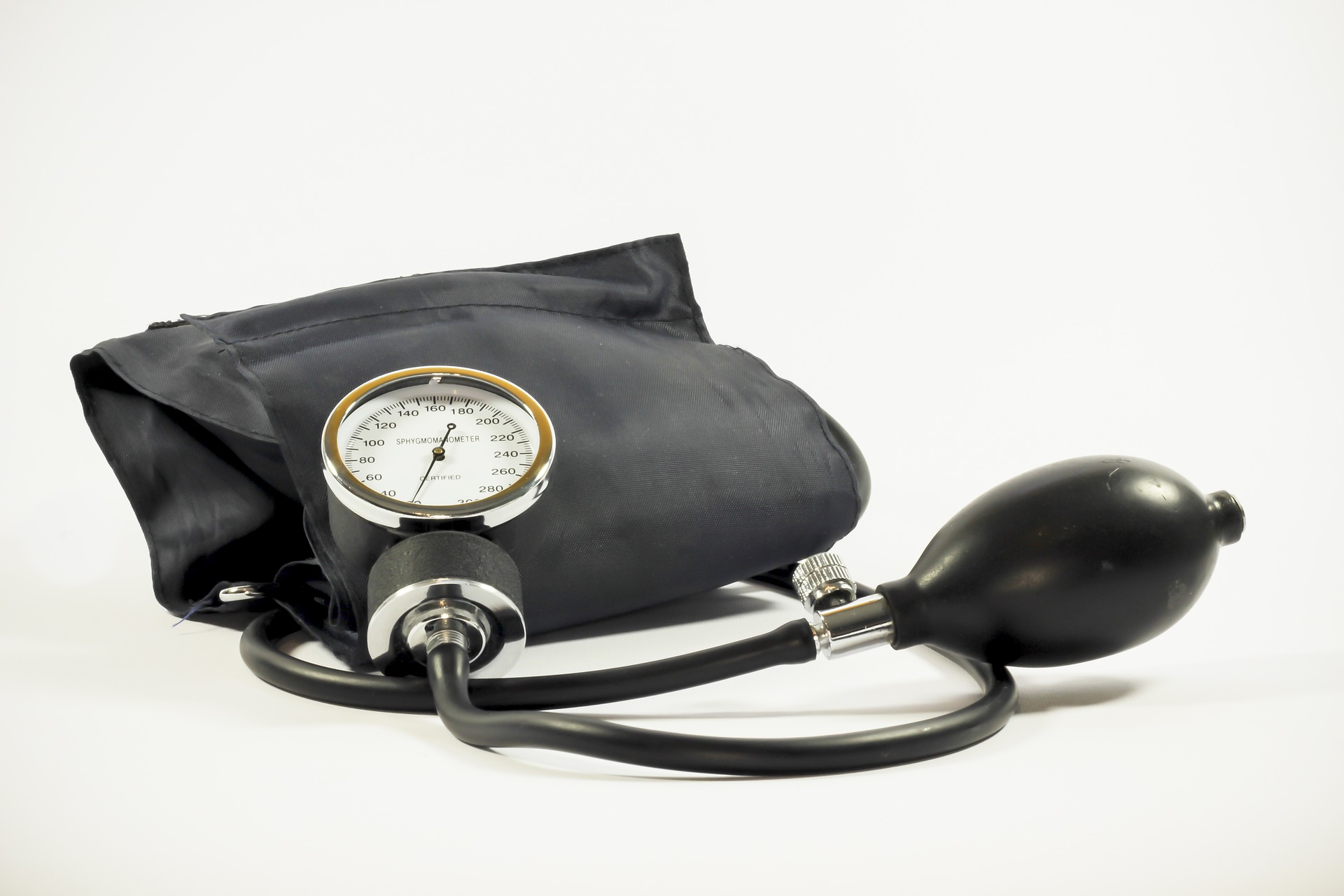
Biofeedback training may support the conscious self-regulation of stress responses that are associated with elevated blood pressure. By measuring HRV and skin conductance, users specifically train relaxation. Discover which biofeedback methods are being researched for hypertension.
Biofeedback hypertension training offers a scientifically grounded, non-invasive method as a complement to medical therapy. This innovative approach enables individuals with arterial hypertension to influence their blood pressure values through conscious control of physiological processes. Particularly for stress-related high blood pressure and essential hypertension, biofeedback shows promising results for blood pressure regulation[1][7][8].
“Biofeedback for hypertension enables individuals to gain active control over their blood pressure values through continuous feedback on their body functions.”
Key Findings on Biofeedback and Hypertension
- Biofeedback hypertension training can be used as a supportive method for blood pressure regulation.
- Hand warming training and heart rate variability training are the two main methods for blood pressure regulation.
- Individuals with stress-related hypertension and prehypertension may particularly benefit from biofeedback training.
- The method is considered a well-tolerated training approach that can be used alongside medical therapy.
- After as few as 3 half-hour sessions, positive effects on blood pressure regulation can be observed.
- Long-term effects of up to 4 years are scientifically documented.
What Is Biofeedback for Hypertension?
Biofeedback for hypertension is a specialized application of biofeedback technology for the non-pharmaceutical management of arterial hypertension. The method uses continuous measurements of blood pressure values, heart rate, and skin temperature to provide real-time feedback on physiological responses. Through this direct visualization, individuals with hypertension learn to consciously influence their blood pressure regulation[4][5].
A 2015 meta-analysis reports positive effects of biofeedback for hypertension. The Association for Applied Psychophysiology and Biofeedback classifies biofeedback for high blood pressure as a promising method[6].
How Blood Pressure Regulation Through Biofeedback Works
In biofeedback training for hypertension, two main mechanisms of blood pressure regulation are trained: reducing peripheral resistance through vasodilation and optimizing cardiac output through heart rate regulation. Modern biofeedback devices continuously measure blood pressure using a finger cuff and display it as an animated “blood pressure column” on a monitor that changes in color and height[4][8].
Studies show that significant blood pressure reductions can be achieved after just 2 sessions. A study from LMU Munich documents positive results of this refined biofeedback method for training in arterial hypertension[5].
Applications of Biofeedback for Different Forms of Hypertension
Biofeedback for hypertension is particularly suitable for various forms of high blood pressure. For essential hypertension, which accounts for approximately 95% of all high blood pressure cases, the method is frequently used. Individuals with stress-related hypertension, prehypertension (high-normal blood pressure), and medication-resistant hypertension may also benefit from biofeedback training[6][8].
| Form of Hypertension | Potential Biofeedback Effect |
|---|---|
| Essential Hypertension | Studies report positive outcomes |
| Stress-Related Hypertension | Supportive through stress regulation |
| Prehypertension | Supportive training method |
| Treatment-Resistant Hypertension | Complementary training method |
Hand Warming Training for High Blood Pressure
Hand warming training is one of the most established biofeedback methods for blood pressure reduction. By consciously increasing skin temperature at the fingertips, individuals learn to reduce the peripheral resistance of their blood vessels. This vasodilation leads directly to blood pressure reduction. The training is successfully used for migraines, circulatory disorders, and specifically for high blood pressure[3][8].
A study in the Journal of Alternative and Complementary Medicine shows that hand warming training in hypertensive individuals may lead to a significant reduction in systolic blood pressure.
Heart Rate Variability (HRV) Training for Hypertension
HRV training is commonly used for blood pressure reduction and promoting stress resilience. In respiratory sinus arrhythmia (RSA) training, individuals learn to relax the cardiovascular system through specific breathing techniques. After just ten HRV biofeedback training sessions, participants may lower both their diastolic and systolic blood pressure, with this effect maintained even three months after the intervention[6].
Scientific Evidence for Biofeedback and Hypertension
The use of biofeedback for hypertension is examined in numerous scientific studies. A comprehensive meta-analysis of biofeedback training for hypertension shows that all applied biofeedback modalities (temperature, skin conductance, EMG, and HRV) have psychophysiologically grounded effects. Particularly regarding diastolic blood pressure, a clear improvement is evident[6].
Studies report positive effects on blood pressure values through biofeedback training. A long-term study shows that after approximately 20 breathing training sessions, positive effects on blood pressure regulation may persist longer-term[6].
Success Rates and Long-Term Effects
Biofeedback hypertension training shows promising results in studies: after as few as 3 half-hour sessions, positive effects on blood pressure regulation can be observed. The method is particularly well-suited for individuals with stress-induced hypertension[4]. This training can be used alongside medical therapy. Any medication changes should only be made in consultation with the treating physician[7][8].
Neurofeedback as a Complementary Method for Hypertension
While classical biofeedback for hypertension focuses on peripheral body functions, neurofeedback can serve as a complementary method for stress reduction and thereby indirect blood pressure regulation. Neurofeedback trains brain activity and may be particularly helpful for stress-related high blood pressure, as it addresses the underlying neurological stress patterns.
A 2018 systematic review reports positive effects of neurofeedback on stress regulation, which may indirectly have a positive impact on blood pressure regulation.
Who Is Biofeedback for Hypertension Suitable For?
Biofeedback for hypertension is particularly suitable for individuals with essential hypertension, stress-related high blood pressure, and prehypertension. The method is well-suited as a supportive training approach alongside medical therapy. Individuals seeking a complementary training method particularly benefit from this approach[6][8].
Ideal Candidates for Biofeedback Training
Ideal candidates for biofeedback hypertension training include individuals with newly diagnosed hypertension, stress-related high blood pressure, or those seeking a complementary method for self-regulation. People with high-normal blood pressure (prehypertension) may also benefit from early biofeedback training[6].
Contraindications for Hypertension
Although biofeedback for hypertension is considered well-tolerated, there are some contraindications to be aware of. Individuals with severe cardiovascular diseases, acute hypertensive crises, or severe psychiatric conditions should first receive conventional medical care. Expert guidance is essential to assess suitability for biofeedback training[8].
Practical Implementation of Biofeedback for Hypertension
A typical biofeedback training series for hypertension comprises 8-12 sessions of 30-45 minutes each. In the initial sessions, individuals learn the fundamentals of blood pressure regulation and various relaxation techniques. Modern biofeedback devices continuously measure blood pressure and display values graphically in real time, so individuals can immediately see how their mental and physical strategies affect their blood pressure[4][8].
Structure of a Biofeedback Session
During a biofeedback session for hypertension, sensors are applied to measure blood pressure, skin temperature, and heart rate. Under guidance, the individual learns various strategies such as warmth visualization for hand warming training or specific breathing techniques for HRV training. Continuous feedback on the screen immediately shows how successful the applied techniques are[8].
Costs and Availability
The costs for biofeedback hypertension training vary by provider and region. Many health insurers cover costs partially or fully, especially when training is medically prescribed. Investing in biofeedback training can prove to be a meaningful complement to medical therapy.
Frequently Asked Questions About Biofeedback for Hypertension
How quickly does biofeedback work for high blood pressure?
Initial blood pressure reductions can be observed after just 2-3 sessions. Sustainable effects usually appear after 8-12 training sessions.
Can biofeedback complement my medical therapy?
Biofeedback training can be used as a complementary method for self-regulation. Any medication changes should only be discussed with the treating physician.
What do studies report about biofeedback training?
Studies report positive effects on blood pressure regulation through various biofeedback modalities.
Is biofeedback for high blood pressure well-tolerated?
Biofeedback is considered a well-tolerated training method and can be used as a complement to medical therapy.
How long do the effects of biofeedback last?
Studies show that positive effects on blood pressure regulation may persist long-term, especially when regular refresher sessions are conducted.
For which type of high blood pressure is biofeedback best suited?
Biofeedback is commonly used for stress-related hypertension, essential hypertension, and prehypertension. It may also be employed as a complementary training method for medication-resistant hypertension.
Disclaimer: The information in this article is for general informational purposes only and does not replace medical advice, diagnosis, or treatment. Biofeedback and neurofeedback are training methods for self-regulation and are not medical treatments. Always consult a physician or qualified therapist for health concerns.
Frequently Asked Questions
How can biofeedback support hypertension management?
Biofeedback training aims to train the self-regulation of stress responses. Since chronic stress is associated with elevated blood pressure, learning relaxation techniques through biofeedback can make a supportive contribution.
Which biofeedback methods are being researched for hypertension?
HRV biofeedback and breathing exercises are the focus of research. Coherence training – slow, rhythmic breathing – is particularly frequently studied. Skin conductance biofeedback for general stress reduction is also examined in studies.
Does biofeedback replace blood pressure medication?
No. Biofeedback is a training method and not a replacement for medically prescribed medication. Never change your medication on your own. Biofeedback can serve as a complementary relaxation method within a medically supervised overall plan.
Matching Products for Your Training
- eSense Pulse – Mobile ECG sensor for HRV biofeedback
- eSense Skin Response – Skin conductance sensor (GSR/EDA) for biofeedback training