


HRV / Pulse
Heart rate variability (HRV) describes the variation in timing between individual heartbeats. It is regarded as an indicator of the regulatory capacity of the autonomic nervous system and is used in stress management, recovery, sports and research. Our systems range from a compact home sensor to a medical ECG recorder and scientific analysis software.
Our HRV and pulse systems
eSense Pulse – for home use
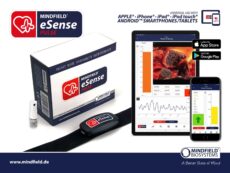
The eSense Pulse is a mobile ECG sensor with a chest strap for HRV training on a smartphone or tablet:
- ECG-based HRV measurement
- Direct feedback and guided breathing/coherence scenarios
- Recording and progress display in the app
MindMaster Bio & BioNeuro – for practice
The professional multi-channel systems record HRV together with other biosignals:
- ECG- or pulse-based HRV measurement in real time
- Comprehensive evaluation and training modules
- Combination with breathing, skin conductance, temperature and more
Note: The model number of the MindMaster series (e.g. 7, 8, 9, 11) is a model designation and does not correspond to the number of measurement channels.
Kubios HRV – scientific analysis
Kubios is specialised HRV software available in two editions:
- Kubios HRV Scientific – detailed, research-grade HRV analysis, available as an annual licence and as a classroom licence for research and teaching
- Kubios HRV Team Readiness – quick HRV measurement and readiness evaluation for trainers and groups working with a portable sensor on a smartphone
Bittium FAROS – mobile ECG recorders
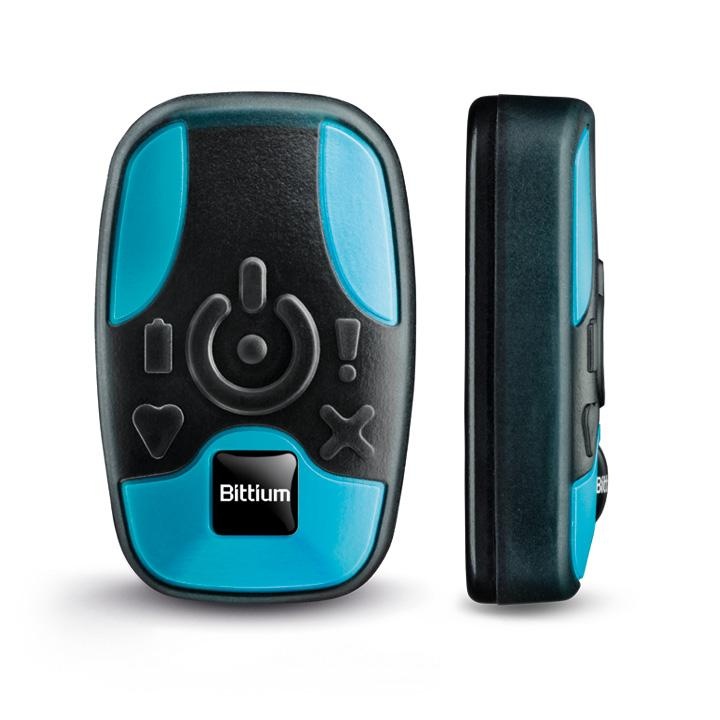
The FAROS recorders deliver high-quality ECG data for HRV analysis and long-term measurement:
- FAROS 180 – professional 1-channel ECG recorder
- FAROS 360 – 3-channel long-term ECG
Pulse sensors & accessories
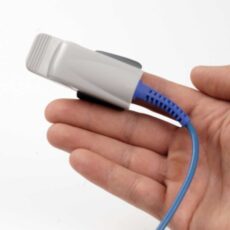
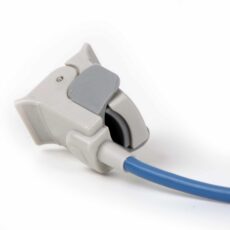
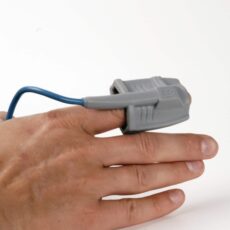
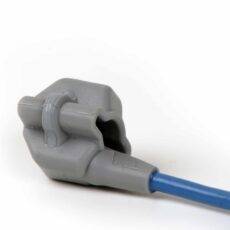
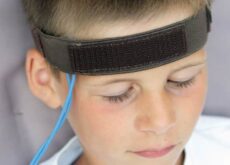
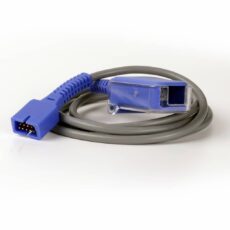
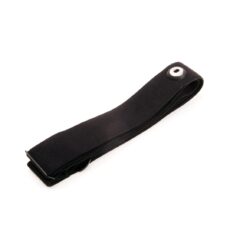
For pulse-based measurement (BVP) we offer infrared pulse and pulse oximeter sensors for adults and children, replacement chest straps and extension cables.
Applications
- Stress management and recovery
- Performance diagnostics in sports
- Relaxation and breathing training
- Scientific research
What is the difference between ECG and pulse measurement?
An ECG (e.g. eSense Pulse, Bittium FAROS) records the electrical activity of the heart directly and provides a very accurate basis for HRV analysis. Optical pulse sensors (BVP) measure changes in blood volume at the finger or temple and are easy to attach. For detailed HRV evaluations, ECG-based measurement is usually preferred.
Related categories: Breathing, Skin Conductance, Temperature, EEG.
Showing all 20 results
-
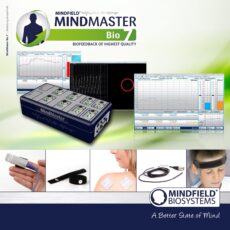
Biofeedback Devices, Devices, HRV / Pulse, MindMaster, Skin Response, Temperature
€5.690,00incl. VAT
plus Shipping Costs
Select options This product has multiple variants. The options may be chosen on the product page -
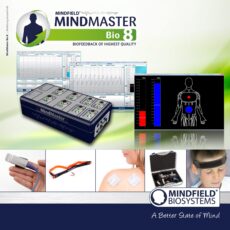
-
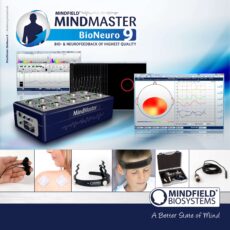
Biofeedback & Neurofeedback, Biofeedback Devices, Devices, EEG, EMG, HRV / Pulse, MindMaster, Neurofeedback Devices, Respiration, Skin Response, Temperature
€7.490,00incl. VAT
plus Shipping Costs
Select options This product has multiple variants. The options may be chosen on the product page -
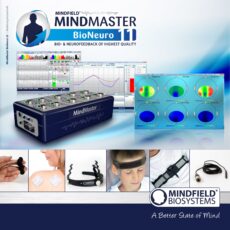
Biofeedback & Neurofeedback, Biofeedback Devices, Devices, EEG, EMG, HRV / Pulse, MindMaster, Neurofeedback Devices, Respiration, Skin Response, Temperature
€8.990,00incl. 19% VAT
plus Shipping Costs
Add to cart -
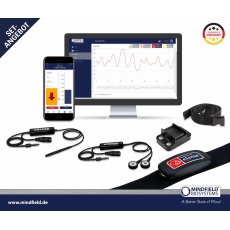
eSense, Biofeedback Devices, Biofeedback Home Devices, Devices, HRV / Pulse, Respiration, Skin Response, Temperature
€999,00incl. VAT
plus Shipping Costs
Select options This product has multiple variants. The options may be chosen on the product page -
-
eSense, Biofeedback Devices, Biofeedback Home Devices, Devices, eSense SDK, HRV / Pulse, Respiration, Skin Response, Temperature
€1.299,00 – €1.848,00incl. VAT
plus Shipping Costs
Select options This product has multiple variants. The options may be chosen on the product page -
-
-
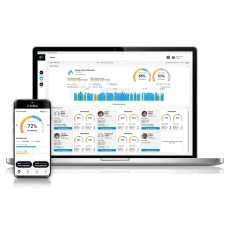
HRV / Pulse, Kubios HRV Scientific & Team Readiness, Physiological Parameter, Software
€399,84 – €9.591,40incl. VAT
Select options This product has multiple variants. The options may be chosen on the product page -
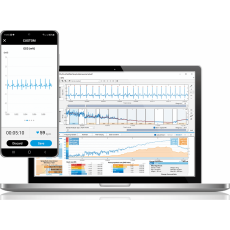
Kubios HRV Scientific & Team Readiness, HRV / Pulse, MindMaster, Physiological Parameter, Software
€470,05 – €4.403,00incl. VAT
Select options This product has multiple variants. The options may be chosen on the product page -
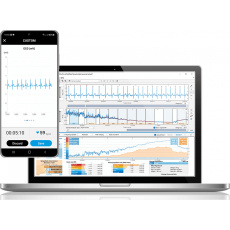
Kubios HRV Scientific & Team Readiness, HRV / Pulse, MindMaster, Physiological Parameter, Software
€815,15 – €7.627,90incl. VAT
Select options This product has multiple variants. The options may be chosen on the product page -
HRV / Pulse, Kubios HRV Scientific & Team Readiness, MindMaster, Physiological Parameter, Software
€1.410,15 – €13.542,20incl. VAT
Select options This product has multiple variants. The options may be chosen on the product page -
-
-
-
-
-
-
Showing all 20 results