


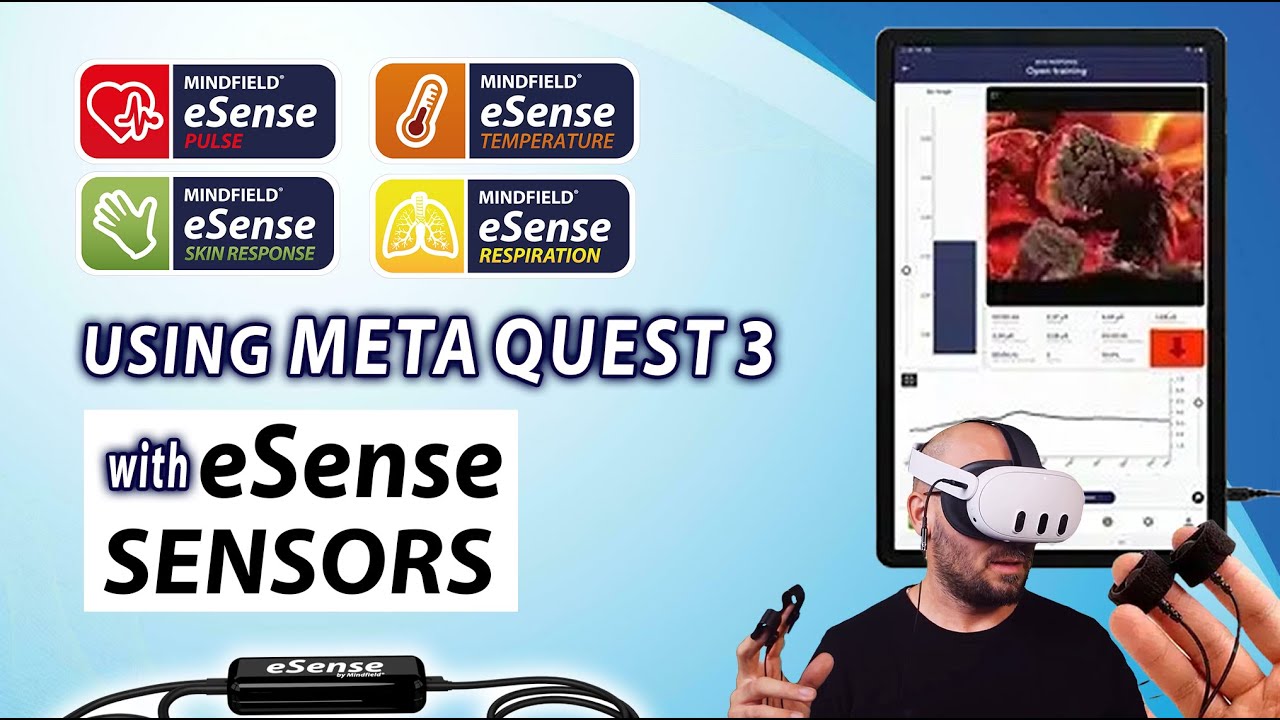
Virtual reality and biofeedback are merging into a new form of relaxation training. VR environments enhance the effect of biofeedback exercises through immersive experiences. Learn how VR-assisted biofeedback works, what applications exist, and how you can use this technology for your training.
What Is Biofeedback?
Biofeedback is a technological method that enables individuals to consciously control physiological processes that normally occur unconsciously. Using devices, body functions such as heart rate, muscle tension, skin conductance, and temperature are monitored and fed back visually or auditorily in real time. This feedback can be used to learn and improve self-regulation techniques. In medicine, biofeedback is applied in areas such as pain management and stress coping. It offers users a non-invasive option to actively manage health conditions, which can contribute to improved quality of life.
Key Takeaways
Biofeedback enables control of unconscious physiological processes for self-regulation and stress management.
In medicine, biofeedback is particularly used for pain management and stress management.
The combination of VR and biofeedback improves body awareness and offers new training approaches in mental health.
Technological and ethical challenges must be considered when implementing virtual reality biofeedback.
Future technological developments could significantly enhance the efficiency and accessibility of VR biofeedback.
Definition of Biofeedback
Biofeedback is a technique that enables individuals to receive feedback on their physiological functions in order to regulate them in a targeted way. The primary goal of biofeedback is self-control over one’s own body processes, such as muscle tension, heart rate, skin conductance, and temperature, through visual or auditory signals. This method is frequently used in medical practice to support users in managing pain, high blood pressure, or stress. By monitoring these physiological parameters, individuals can learn to gain control over unconscious body processes, which may lead to improved health.
|
Key Components |
Functions |
|---|---|
|
Feedback Systems |
Tracking physiological signals |
|
Training Application |
Support for pain and stress management |
|
Objective |
Promoting self-regulation |
Applications of Biofeedback in Medicine
Biofeedback has established itself as an effective tool in medicine to help users better understand and control physiological processes. Through the measurement of body functions such as heart rate, muscle tension, skin conductance, and temperature, biofeedback enables personalized training tailored to the individual needs of the user. This method is frequently employed for migraine, high blood pressure, and anxiety disorders and can contribute to reducing the need for medication. Additionally, it is used in rehabilitation to support recovery after injuries or surgery.
Virtual Reality Biofeedback
How Is VR Combined with Biofeedback?
The combination of virtual reality (VR) with biofeedback represents a significant advance in medical technology. By integrating sensors for measuring the body’s own signals with immersive VR experiences, users can receive immediate feedback on their physiological states. This technological synergy is increasingly being used to help users improve their body awareness and manage psychological challenges such as anxiety and stress. A notable example is the use of VR environments that respond in real time to heart rate and, experienced through a VR headset, enable personalized and interactive training.
Technological Advances in VR and Biofeedback
In recent years, virtual reality (VR) has evolved from a mere plaything into a powerful tool for medical technology applications. The integration of biofeedback into VR makes it possible to monitor physiological data in real time and respond accordingly. Such technologies offer unprecedented possibilities for self-regulation and improving mental health. Advances in sensor technology and data analytics allow for capturing complex physical states such as heart rate, muscle tension, skin conductance, or temperature and integrating them into the virtual environment. This creates an immersive experience that goes far beyond traditional training approaches and paves the way for new applications and research.
Examples of Successful Combinations
The combination of virtual reality (VR) and biofeedback has achieved remarkable progress in medicine. One of the most successful examples is its use in pain management, where users learn to better cope with pain through immersive VR environments. Another example is anxiety training, where VR is used to guide users through confrontation therapy while biofeedback monitors and regulates physiological reactions. These revolutionary approaches not only promote deeper body control but also offer possibilities for enhancing mental resilience. Through the synergy of VR and biofeedback, new forms of training have emerged that could sustainably influence traditional healthcare.
InmotionVR and Mindfield – Where Movement Meets Biofeedback
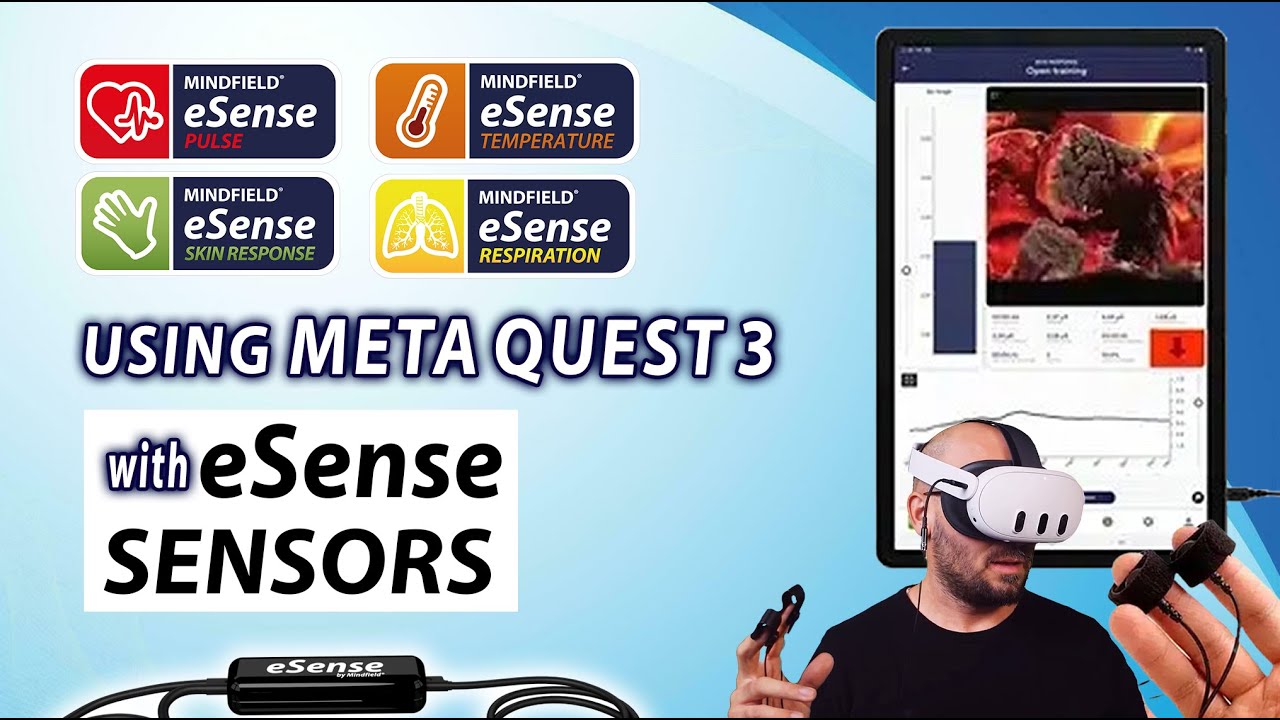
The collaboration between InmotionVR and Mindfield opens entirely new possibilities in the field of movement therapy. InmotionVR uses virtual reality to promote physical movement through gamification and make training experiences more immersive. With the integration of Mindfield’s eSense sensors, this experience is elevated to a new level: biofeedback data such as stress levels or heart rate can be incorporated into the VR training in real time. This not only promotes physical activity but also enables simultaneous monitoring and improvement of mental well-being. Together, we are creating an innovative platform that strengthens people holistically – both physically and emotionally.
XRHealth and Mindfield – Psychological Support Through VR and Biofeedback
XRHealth, a leading platform for virtual therapeutic applications, uses virtual reality to support people in managing psychological challenges. Through the partnership with Mindfield, the therapeutic offering is expanded with the precise data from eSense biofeedback sensors. This integration makes it possible to measure emotional reactions such as stress or anxiety in real time and provide personalized interventions. Together with XRHealth, Mindfield is setting new standards in VR therapy by making psychological support more accessible, effective, and technologically advanced.
What Benefits Does Combining Biofeedback with VR Offer?
The combination of VR and biofeedback offers remarkable benefits that go far beyond traditional methods. A key advantage is improved perception and control of one’s own body. Through the use of VR technology in real time, users can visually perceive and adjust physiological data such as heart rate or muscle tension. This enables more targeted training and individual adjustments that can have a significant impact on personal improvement. Another important benefit is the ability to reduce stress and anxiety. Interactive VR environments provide a safe platform where users can explore and optimize their responses in stress-free scenarios, contributing to overall well-being.
Improved Body Perception and Control
The combination of virtual reality (VR) and biofeedback opens new horizons for improved body perception and control. Through immersive VR experiences, users can monitor their physiological states in real time and respond to them. Learning how one’s own body reacts to specific stimuli can lead to deeper self-awareness. This technology not only provides individuals with insights into their physical reactions but also enables them to take targeted self-regulation actions. Such applications find use in therapy, stress management, and performance enhancement in sports. The connection of VR and biofeedback promotes better understanding and offers potentially groundbreaking health benefits.
Reducing Stress and Anxiety
Through the combination of VR and biofeedback, an innovative method for reducing stress and anxiety is created. This technology allows users to immerse themselves in a virtual environment that minimizes stress factors while simultaneously strengthening body awareness. Biofeedback makes it possible to monitor physiological data in real time and respond accordingly, empowering users to apply targeted relaxation techniques and improve their emotional self-regulation. The immersive nature of VR provides an intense experience that surpasses conventional stress management methods, making it a more effective tool for practitioners and users alike.
Virtual environment for stress relief
Real-time monitoring of physiological data
Improved self-regulation
Effective tool for practitioners
In Which Areas Can VR Biofeedback Be Revolutionary?
The combination of VR and biofeedback opens promising possibilities in various fields. Particularly in healthcare, this technology is changing the way treatments are delivered. Users can be made more receptive to learning through interactive environments that promote perception and control over physical reactions. In sports, VR biofeedback could play a key role in performance optimization by enabling athletes to monitor and improve their physiological states in real time. The application of this technology could set new standards for efficiency and success while simultaneously contributing to the reduction of stress and anxiety – beneficial for everyone from professional athletes to recreational enthusiasts.
Healthcare
In healthcare, the combination of VR and biofeedback opens groundbreaking possibilities for individualized training. Users can train in a controlled virtual environment to recognize and manage their psychophysiological reactions. This is particularly beneficial for addressing anxiety disorders and chronic stress, where traditional methods reach their limits. Through the combination of visualized biofeedback data and immersive VR experience, users gain an intuitive understanding of their physical processes. This innovative technique promises not only faster training results but also sustainable improvement in well-being. With the goal of developing person-specific training plans, the revolution in healthcare is on the doorstep.
Sports and Performance Optimization
In the field of sports and performance optimization, the integration of biofeedback and virtual reality (VR) opens new dimensions. Athletes can monitor and optimize physiological parameters such as heart rate and muscle tension in real time through biofeedback. Combined with VR technologies, this becomes a significant tool for mental and physical training. Athletes can use realistic training simulators to enhance their performance under variable conditions or refine specific movement patterns. This technological synergy improves both body awareness and performance analysis, ultimately leading to increased athletic efficiency and reduced injury risk.
“Biofeedback combined with virtual reality is changing the sports world through real-time monitoring & VR-assisted training.”
What Challenges Exist in Implementing VR Biofeedback?
The implementation of VR biofeedback faces several challenges. One of the central hurdles is the technological complexity involved in integrating advanced VR devices with precise biofeedback systems. Furthermore, data privacy represents a significant concern, as the collection and processing of sensitive health data requires the highest security standards. Ethical considerations also play an essential role, particularly regarding the use and storage of personal data. To fully exploit the benefits of this technology, developers must find a careful balance between innovation and user rights.
Technological Hurdles
When implementing VR biofeedback, developers face several technological hurdles. One of the biggest challenges is ensuring seamless integration of VR systems with biofeedback devices. This requires precise calibration and a robust data processing infrastructure. At the same time, latency is a critical factor, as delays can impair the effectiveness of feedback. Additionally, developers must ensure that the technology remains user-friendly for a broad range of users to promote widespread adoption. Advances in these areas are crucial to fully exploiting the potential of VR biofeedback.
Data Privacy and Ethical Considerations
The integration of VR and biofeedback raises significant data privacy and ethical questions. When using these technologies, large amounts of sensitive data are collected and processed, which can threaten the privacy of users. Furthermore, the use of advanced technologies in therapeutic contexts requires careful consideration of ethical aspects, particularly regarding transparency and responsibility. The challenge lies in ensuring secure and responsible handling of the collected data while fully exploiting the therapeutic benefits. It is essential to develop clear guidelines and regulations to secure user trust and prevent the misuse of sensitive information.
Future Prospects for VR Biofeedback
The future prospects for VR biofeedback are full of potential and innovation. In the coming years, technological developments are expected to significantly improve both the efficiency and accessibility of VR biofeedback systems. New sensor technologies could deliver more precise data, while artificial intelligence enables seamless and personalized experiences. In the long term, integration into everyday life could occur, bringing about profound societal changes in areas such as healthcare, education, and work environments. This future opens not only new possibilities but also broader acceptance of digital health solutions.
Expected Developments and Advances
The future of virtual reality biofeedback is promising and opens numerous new possibilities. Technological advances in sensor technology and data processing allow for finer tuning and interactivity, which could make VR biofeedback sessions even more effective. Future developments aim to use the integration of artificial intelligence for personalizing training and making the user experience more individualized. Additionally, there is potential for expanded application in areas such as virtual training environments and telemedicine. These innovations could bring about significant advances not only in medicine but also in education and everyday life.
|
Area |
Expected Advances |
|---|---|
|
Medicine |
Improved diagnostics and individualized training |
|
Training |
More effective sessions through AI support |
|
Education and Everyday Applications |
New learning methods in virtual environments |
Potential for Societal Change
The potential for societal change through the combination of biofeedback and virtual reality (VR) is immense. This innovative combination makes it possible to develop new training approaches that may help people better understand and improve their physical and emotional health. Through the targeted use of VR biofeedback, stress and anxiety can be addressed more effectively, which not only enhances individual quality of life but also reduces the burden on healthcare systems. Furthermore, the broad application of these technologies in education and daily life could raise awareness for personal health and encourage people to take a more proactive approach to their well-being.
FAQ About Biofeedback and Virtual Reality (VR)
What is biofeedback?
Biofeedback is a technological method that enables individuals to consciously control unconscious physiological processes through devices, with applications in stress management and pain management.
How does biofeedback work?
Biofeedback works with devices that monitor body functions such as heart rate and muscle tension and provide visual or auditory feedback to help learn self-regulation techniques.
What benefits does combining VR and biofeedback offer?
The combination of VR and biofeedback offers improved body awareness and self-regulation, which provides particular advantages in stress and anxiety management.
What are the challenges in implementing VR biofeedback?
Challenges include technological complexity, data privacy concerns, and ethical considerations regarding the use and storage of health-related data.
How does VR biofeedback improve training in sports?
In sports, VR biofeedback enables improved performance optimization and injury prevention through real-time monitoring and VR experiences.
What are the future prospects for VR biofeedback?
The future perspectives for VR biofeedback are positive, with potential innovations in sensor technologies and the integration of artificial intelligence that could increase accessibility.
Can neurofeedback also be combined with VR?
Yes, combining neurofeedback with VR is possible and opens exciting new approaches. Neurofeedback measures brain activity and feeds it back to users in real time, enabling them to learn to specifically influence their mental states.
Frequently Asked Questions
How does VR biofeedback work?
With VR biofeedback, you wear a VR headset and are connected to a biofeedback sensor. The virtual environment responds to your physiological signals: as you relax, the scene changes positively. This way, relaxation training is supported through immersive experiences.
Which VR headsets are compatible with biofeedback?
The eSense sensors can be combined with the Meta Quest series. The eSense App offers special VR scenarios that respond to your biofeedback data. Generally, any Android-based VR headset with Bluetooth connectivity can be used.
Is VR biofeedback scientifically studied?
The combination of VR and biofeedback is an active field of research. Initial studies show that immersive environments can increase motivation and engagement during training. The research is still in an early stage, but results are promising.
Products for Your Training
- eSense Skin Response – Skin conductance sensor (GSR/EDA) for biofeedback training