


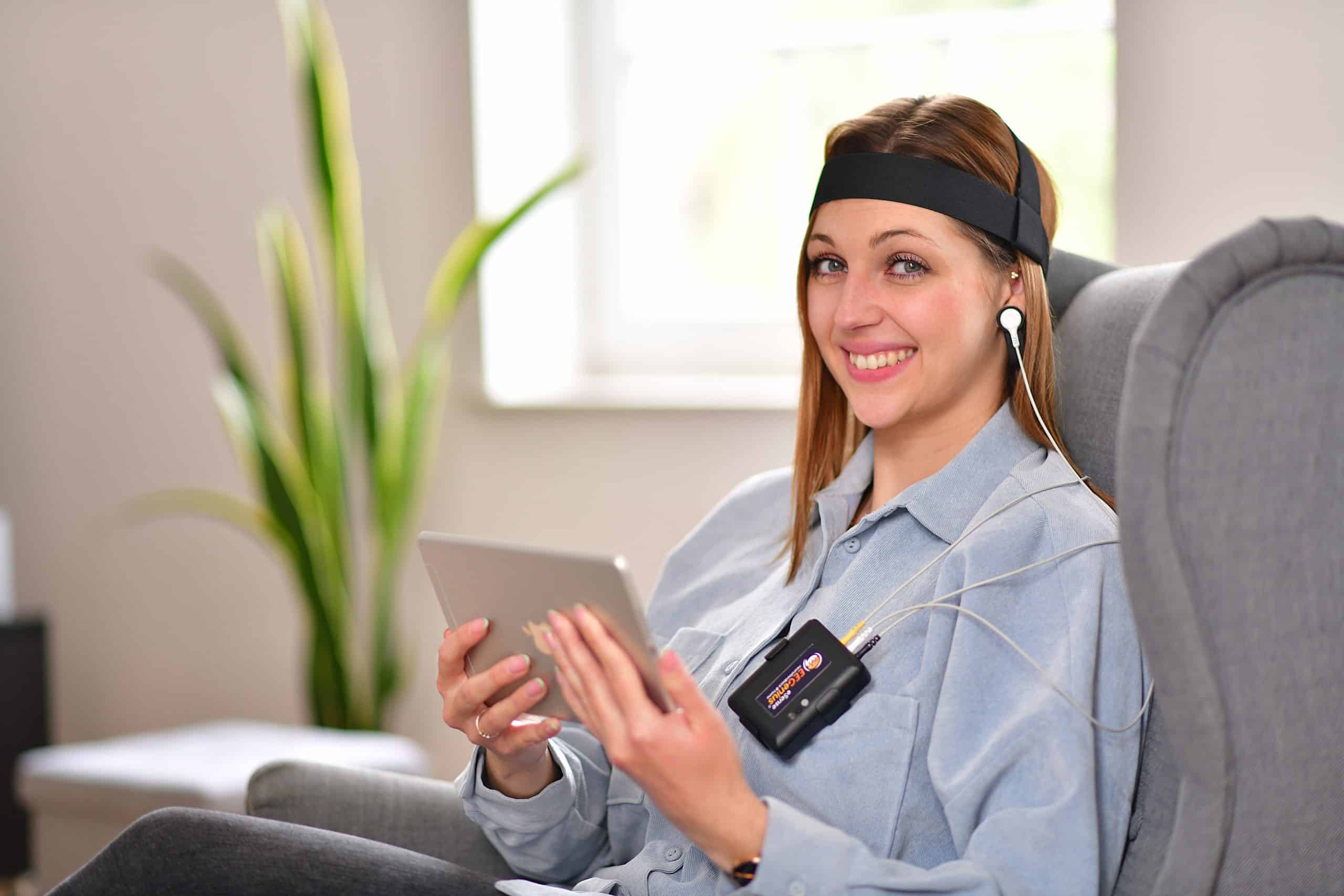
Neurofeedback at home is now a practical reality: with the eSense EEGenius, you can train your brain activity in your own living room. The system measures your brainwaves via EEG and provides visual and auditory feedback to support self-regulation. Learn how home neurofeedback works and who it is suited for.
What Is Neurofeedback?
Neurofeedback is a modern training method that lets you observe and regulate your brainwave activity in real time. It is a non-invasive technique: sensors placed on the scalp record the electrical activity of your brain, and this data is fed back to you through visual or auditory signals. The underlying principle is neuroplasticity — your brain’s ability to reorganize and optimize its own patterns through repeated feedback.
Unlike medication or other interventions, neurofeedback works by helping the brain learn to regulate itself. You watch a display — a game, a video, or a simple graph — and the feedback changes based on your brainwave patterns. When your brain produces the desired pattern, the feedback is positive (the video plays, the game advances). When it drifts, the feedback pauses. Over time, your brain learns to maintain the more balanced state on its own.
Key Takeaways About Neurofeedback at Home
- Neurofeedback is a modern, non-invasive method for training brain activity.
- Practicing neurofeedback at home offers flexibility and cost advantages compared to clinical sessions.
- Scientific studies support the potential effectiveness of neurofeedback for attention, stress management, and emotional regulation.
- Proper equipment and following safety guidelines are important for optimal results.
- Long-term, consistent practice of neurofeedback may contribute to improved inner balance and quality of life.
How Does Neurofeedback Work?
The process is built on a simple feedback loop. Electrodes on your scalp pick up your brain’s electrical signals (EEG). A software program analyzes these brainwaves in real time and delivers visual or auditory feedback — for example, a video that plays smoothly when your brain is in the target state and pauses when it drifts. The goal is to encourage desirable brainwave patterns, which may support improved focus, relaxation, and emotional stability. Because the method is non-invasive and individually adjustable, it can be adapted to many different training goals.
Benefits of Neurofeedback at Home
Practicing neurofeedback at home offers several practical advantages that make it an attractive option for many people. Flexibility is the most obvious: you train on your own schedule, in your own space, without commuting to a clinic or coordinating appointments. Cost efficiency is another factor — while the initial investment in equipment may seem significant, it typically pays for itself within a few months compared to the cost of regular clinical sessions. And many users report that training in a familiar, comfortable environment actually enhances the effectiveness of their sessions.
Flexibility and Comfort
One of the strongest arguments for neurofeedback at home is the freedom to train whenever it fits your life. There are no fixed appointments to keep, no waiting rooms, and no travel time. You can run a session first thing in the morning, during a lunch break, or before bed — whatever works best for you. This flexibility makes it far easier to maintain the consistency that neurofeedback requires, and training in your own familiar environment can help you feel more relaxed and focused from the start.
Cost Efficiency Compared to Clinical Sessions
A single clinical neurofeedback session can cost between 80 and 150 EUR, and most protocols recommend 20 to 40 sessions. That adds up quickly. With a home neurofeedback device, you make a one-time investment and can train as often as you like, for as long as you like. You also save on travel costs and time. The key is choosing quality equipment — a reliable device with accurate sensors is essential for meaningful results.
- Long-term cost savings through unlimited sessions
- No travel expenses or time spent commuting
- Training schedule adapts to your life, not the other way around
- Full flexibility to train at your own pace
How to Set Up Neurofeedback at Home Effectively
Getting started with neurofeedback at home requires the right equipment and a structured approach. You need an EEG device, the accompanying software, and a quiet space where you can focus without interruption. The process begins with setting up your equipment and running a short calibration, followed by regular training sessions that you monitor and adjust over time. Clear goals and consistent practice are the keys to progress.
Equipment You Need for Home Neurofeedback
To practice neurofeedback at home effectively, you need a few key components: a neurofeedback device (EEG headset) that records your brainwave activity, electrodes or sensors that sit on your scalp, and software that analyzes the signals and delivers real-time feedback. You will also need a smartphone, tablet, or computer to run the software. Modern home neurofeedback systems like the eSense EEGenius are designed to make this setup as simple as possible — no technical expertise required.
Step-by-Step Guide to Your First Session
Start by choosing a quiet room where you will not be disturbed. Set up your neurofeedback device and make sure all connections are secure. Follow the software’s guided setup to calibrate the sensors — this usually takes just a few minutes. Then begin your first session, keeping it short (10 to 15 minutes for beginners). Pay attention to how you feel during and after the session, and note any changes in your mental state. Patience and regular practice are essential: consistency amplifies the effects of neurofeedback training over time.
The eSense EEGenius: A Neurofeedback Device for Home Use
The Mindfield eSense EEGenius is an EEG device designed specifically for neurofeedback at home. It was developed with simplicity in mind — the setup is straightforward, the device is portable, and the accompanying software guides you through every step. With the EEGenius, you can run neurofeedback training sessions in your living room with the same core technology used in professional settings.
Home neurofeedback training with the EEGenius can be directed toward various goals:
- Improving attention and concentration
- Supporting cognitive performance
- Training calmness, composure, and relaxation
- Reducing restlessness and nervousness
- Supporting better sleep quality
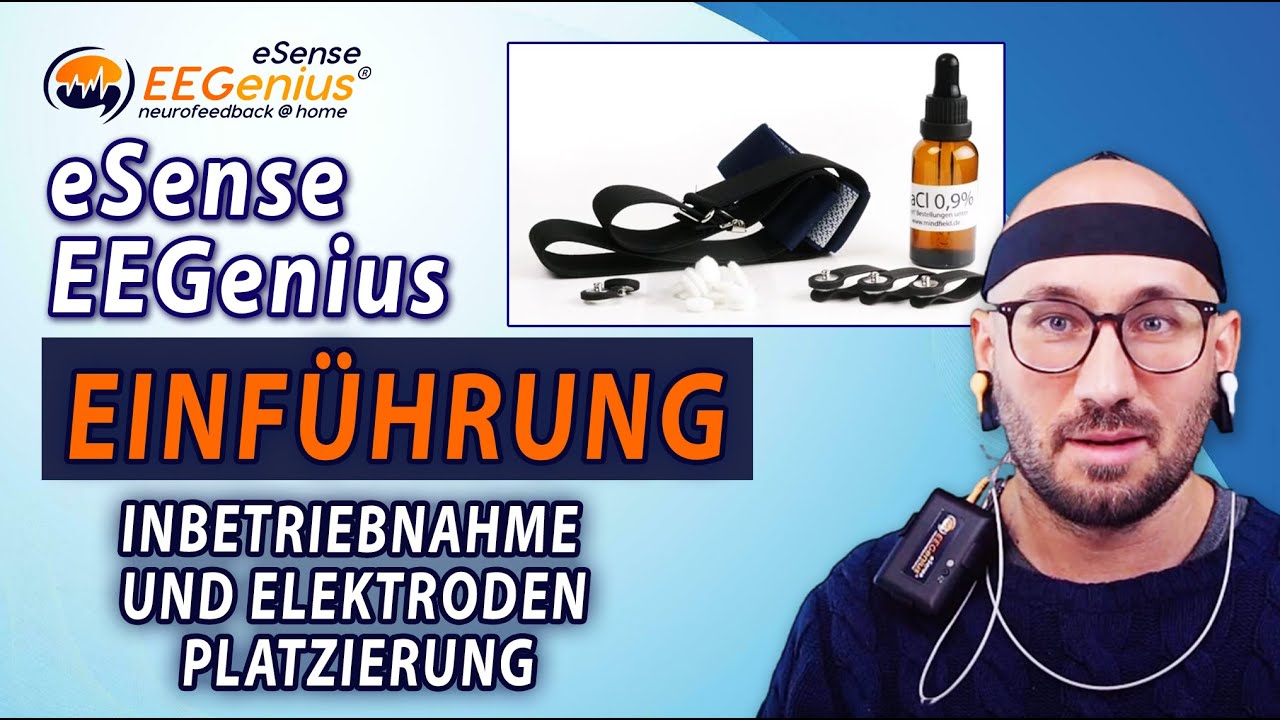
We also offer a full range of biofeedback sensors for home use in our shop.
What Does the Research Say About Neurofeedback?
Neurofeedback has established itself as a promising approach for supporting mental well-being. Scientific studies suggest that neurofeedback training may be beneficial for conditions like ADHD and anxiety-related difficulties. Multiple case studies report that participants experienced improvements in concentration and emotional stability after regular sessions. Researchers emphasize the role of brainwave regulation in promoting positive changes in behavior and quality of life. While the evidence base continues to grow, these findings support the use of neurofeedback in both clinical and home settings.
Studies on the Effectiveness of Neurofeedback
The effectiveness of neurofeedback is supported by a growing body of research showing positive effects on mental health and cognitive abilities. Studies indicate that neurofeedback training may be particularly useful for improving attention and stress management. A study from the University of Tubingen found that participants experienced significant improvements in emotional self-regulation and reduced stress perception after regular sessions. These results support the practical application of neurofeedback both in clinical environments and at home. As with any training method, it is important to inform yourself thoroughly and follow basic safety guidelines for the best results.
| Study | Key Finding |
|---|---|
| University of Tubingen | Improved self-regulation |
| Julich Research Centre | Reduced stress perception |
Real-World Applications and Success Stories
Neurofeedback is gaining wider acceptance through numerous reports of successful applications. Many users describe significant improvements in concentration, stress management, and emotional balance. Studies on individuals with ADHD have shown particularly notable results, often leading to a reduction in symptoms and improved quality of life. Individual reports also suggest that neurofeedback at home can positively influence not only mental health but also professional performance and personal relationships. These experiences position neurofeedback as a solid option for those seeking greater inner balance.
When Should You Consider Professional Support?
While home neurofeedback can be a valuable tool for general well-being, there are situations where professional guidance is recommended. If you encounter unexpected challenges during your training or if your symptoms worsen, consulting a qualified practitioner is important. The same applies if you are unsure about the right equipment or technical aspects of your setup. An experienced therapist can make individualized adjustments to maximize the effectiveness of your training. Following safety guidelines and the device instructions carefully is essential for achieving positive results.
How Neurofeedback May Influence Mental Well-Being
Neurofeedback has shown promise as a tool for supporting mental well-being. By training the brain to regulate its own activity patterns, users may experience reduced stress, improved focus, and greater emotional stability. The ability to concentrate more effectively and manage stress responses can contribute to a better sense of inner balance over time. Some research also suggests that neurofeedback may support hormone regulation and sleep quality. Many users report an improved quality of life, describing greater calmness and equanimity. However, consistent practice is necessary to achieve lasting effects.
“Neurofeedback offers potential benefits including: stress reduction, improved concentration, emotional stability, and better sleep quality.”
Psychological Effects of Neurofeedback
Neurofeedback has emerged as a noteworthy method for supporting mental well-being. Through targeted regulation of brain activity, it may promote improved concentration, stress reduction, and more balanced emotional states. Research suggests that neurofeedback can have positive effects on self-regulation, which in turn may strengthen psychological resilience. This approach can help people find deeper inner calm and equilibrium. Multiple studies report lasting benefits and improved quality of life through regular neurofeedback training.
Long-Term Benefits for Inner Balance
One of the most compelling aspects of neurofeedback is its potential for lasting change. Through consistent practice, users may develop deeper self-awareness and strengthen their ability to manage stress more effectively. Neurofeedback can support emotional stability and help achieve mental clarity. Multiple studies suggest that ongoing neurofeedback practice may both improve quality of life and build personal resilience. This makes it a valuable tool for anyone seeking sustainable improvement in their mental equilibrium.
Neurofeedback at Home: Common Questions
What is neurofeedback?
Neurofeedback is a modern training method that allows you to observe and regulate your brainwave activity in real time using EEG technology.
How does neurofeedback work?
EEG sensors record your brain’s electrical signals, and software provides visual or auditory feedback. The goal is to train your brain toward more optimal functioning patterns.
What are the benefits of neurofeedback at home?
Home neurofeedback offers flexibility and cost savings. You can train on your own schedule without commuting to a clinic, and the investment pays for itself over time.
What does the research say?
Studies suggest that neurofeedback may be effective for supporting attention, emotional regulation, and stress management. Research from institutions like the University of Tubingen has shown improvements in self-regulation after regular sessions.
How does neurofeedback influence well-being?
Neurofeedback may support mental well-being through stress reduction, improved concentration, and greater emotional stability.
Can neurofeedback help the brain?
Neurofeedback aims to train the brain to regulate its own activity patterns. Research suggests this may be supportive for attention difficulties, anxiety-related challenges, and sleep problems.
Where can I buy a neurofeedback device for home use?
Right here in the Mindfield Shop. We recommend the eSense EEGenius — a state-of-the-art EEG device designed specifically for intuitive home neurofeedback training.
Frequently Asked Questions
What do I need for neurofeedback at home?
For home neurofeedback, you need an EEG headset like the eSense EEGenius, a smartphone or tablet with the companion app, and the eSense EEGenius software. Setup is straightforward and takes about 10 minutes.
Is home neurofeedback as effective as clinical sessions?
Home neurofeedback offers the advantage of regularity — you can train more frequently than with weekly clinic visits. Professional systems provide more channels and individualized protocols. For general relaxation and focus training, home neurofeedback can be a valuable complement to clinical work.
How long is a typical neurofeedback session?
A typical neurofeedback session lasts 20 to 30 minutes, with 15 to 20 minutes of actual training time plus preparation and wrap-up. Beginners should start with shorter sessions of 10 to 15 minutes and gradually increase duration as they become comfortable.
Recommended Products for Your Training
- eSense EEGenius – Neurofeedback system for home training
- MindMaster Neuro 4 – Professional neurofeedback system