

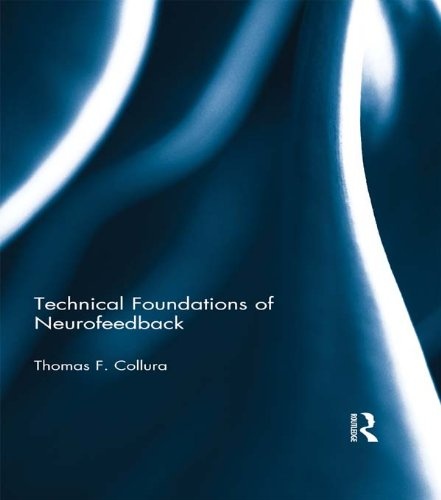


Technical Foundations of Neurofeedback, published by Routledge, is a reference that concentrates on the engineering and signal-level principles behind the practice. If you want to move beyond protocols and understand what is actually happening in the instrumentation, this book addresses that gap. It is aimed at practitioners, researchers and students who need a rigorous technical grounding.
What it is about
The book examines the physical and computational foundations of neurofeedback, from the origin of the EEG signal to the processing that turns it into feedback. It discusses how measurements are made, how signals are filtered and analyzed, and how the resulting information is presented to the trainee. The focus is on the technical layer that supports every neurofeedback session.
Key topics
- Origins and characteristics of the EEG signal
- Instrumentation, amplifiers and data acquisition
- Signal processing, filtering and artifact handling
- Frequency analysis and feature extraction
- Feedback generation and system design principles
- Sources of noise and measurement accuracy
Who it is for
This title suits neurofeedback practitioners who want deeper technical literacy, as well as researchers, engineers and graduate students. It is a strong choice for anyone who needs to understand the measurement chain rather than only the clinical protocol.
Relevance for biofeedback & neurofeedback
Because it centers on signals and instrumentation, the book is directly relevant to understanding how biofeedback and neurofeedback devices operate. Readers gain insight into the technical reasons behind sensor placement, filtering choices and feedback design that shape everyday practice.
Book details
Publisher: Routledge
Language: English
We recommend this book as further reading. The purchase is made directly on Amazon.


Reviews
There are no reviews yet.